Podcast shownote gqxj
Generate a unified Chinese podcast ShowNote document in the "搞钱学姐版" format from a podcast transcript, then publish it as a Feishu document when Feishu tools are available. Always use this skill whenever the user says 做 show note, 做 ShowNote, 做 SHOWNOTE, 做 shownote, show note, ShowNote, SHOWNOTE, shownote, show notes, 播客 ShowNote, 收听指北, 时间轴, 嘉宾信息整理, or explicitly mentions 搞钱学姐版 / 学姐版 ShowNote. The skill creates a Markdown source draft with the fixed images, intro style, timeline, guest section, production credits, and final formatting checks.From its SKILL.md
npx -y skills add carpo9984/GQXJ --skill podcast-shownote-gqxjAssembled from the repository path, not quoted from the project. Check it against their README if it does not work.
2 things to look at
- no licenseNo license file was found in the repository. Code published without one is not open source by default, so using it at work is a question for whoever answers licensing questions where you are.
- 1 stars1 stars. Stars are a popularity signal and not a quality one, but at this level it is likely that nobody has read this closely except its author, and you would be relying on your own review.
SKILL.md
15.9 KB, ~4.2k tokens by cl100k_base, as published. Nobody here has run it
播客 ShowNote 文档生成器 Skill(搞钱学姐版)
Use this skill to turn a podcast transcript into a finished Markdown ShowNote source draft in the fixed "搞钱学姐版" format, then create or update a Feishu document when the current environment has Feishu access.
Required Inputs
- Podcast transcript, preferably with real timestamps.
- Episode title, if the user provides one. If absent, infer a concise title from the transcript.
- Guest names, if they can be inferred from the transcript. If unclear, ask only when the guest section cannot be completed safely.
If the transcript has no timestamps, do not invent exact times. Ask the user for a timestamped transcript or clearly state that a real timeline cannot be produced from the provided material.
Workflow
- Generate the intro.
- Generate the timeline.
- Search public web sources for guest information.
- Create a Markdown source draft titled
SHOWNOTE - 嘉宾名:XXXwhen there is a clear guest. If there are multiple guests, use the primary guest or a concise guest group name. - If Feishu tools are available, create or update a Feishu document from the finished Markdown. If Feishu tools are unavailable, deliver the complete Markdown and tell the user it can be copied into Feishu.
- When a Feishu document was written, fetch it back and verify formatting.
- Run the final checklist before responding.
Step 1: Generate Intro
Role: you are an experienced podcast producer who understands podcast positioning and listener motivation.
Task: write a Chinese podcast intro based on the transcript. Match the reference style: 300-550 Chinese characters, split into 5-6 short paragraphs. The intro should feel substantial enough for a published ShowNote preface, not like a short episode summary.
Intro Writing Rules
- Do not mention host names or internal team/person names in the intro, including "陈雪" or "学姐". Mention guest names in the intro when guests are known, because the middle of the preface should help listeners understand why these guests can speak to the topic.
- Include 1-2 short guest-introduction paragraphs in the middle of the intro whenever guest identities can be inferred or verified. For each guest, state only the concise public role and what perspective they bring to this episode. If there are multiple guests, use one paragraph per guest when their perspectives differ, or one joint paragraph when they play a similar role.
- Keep a team/editorial voice without sounding like a content summary.
- Use a problem-solving angle. Help listeners understand why this episode matters and what problem it helps them think through.
- Do not describe too many content details. Point to the problem and the method of judgment, not the whole plot.
- Sound natural and conversational, like talking to a friend.
- Avoid AI-flavored expressions such as "这期节目聊得很实在" and "干货满满".
- Every sentence should have a clear cause, consequence, or progression from the previous sentence.
- Use at most one quote-like golden sentence, and weave it into the paragraph directly. Do not put it on a separate line and do not introduce it with a colon.
- Bold important information with Markdown, for example
**额度超过100万**,**从不逾期**,**优化现金流**. - Keep guest-introduction paragraphs useful rather than credential-heavy: connect each guest to the episode question, such as their lived experience, business result, operating role, or field perspective.
Intro Red Lines
- All transitions must use only natural words such as "但是", "其实", "说白了", "换句话说".
- Do not use "不是……而是……" or variants of that structure.
- Avoid these words and use the replacements instead:
- "认知" -> "想明白" / "搞清楚"
- "底层逻辑" -> "道理" / "原因"
- "赛道" -> "方向" / "这行"
- "赋能" -> "帮" / "带动"
- "破局" -> "突破" / "解决"
- "重塑" -> "改变"
- "内核" -> "核心" / "根上"
- "维度" -> "角度" / "方面"
- "颗粒度" -> "细不细"
Intro Structure
- First line after the opening image: write one hook sentence only. It can be a question, but it must be tightly related to the episode and clickable. Do not stack multiple hook questions.
- Good style:
想做内容的人,可能都绕不开这个问题:**热爱撑得住开始**,但什么才能**撑住长期**?
- Good style:
- After the hook, write one scene/problem paragraph that expands the episode context and makes the listener feel the concrete situation.
- In the middle, write 1-2 guest-introduction paragraphs. Mention concise verified or transcript-supported roles, such as
**天才捕手FM主播**,**1688找工厂和定制业务负责人**, or a conservative role inferred from the transcript. Explain what each guest contributes to the conversation. - Then write 2-3 short paragraphs that frame the problem, the stakes, practical takeaways, and who should listen.
- Default rhythm: hook sentence -> scene/problem paragraph -> guest paragraph(s) -> stakes/practical-value paragraph -> who-should-listen paragraph.
- Bold important preface information with Markdown. Keep bolding selective: core problem, listener group, guest identity, or key stakes.
- When targeting Feishu, avoid bolding punctuation-heavy spans if rendering is unreliable. For example, prefer
**天才捕手FM主播**over**「天才捕手FM」主播**, then verify after writing.
Step 2: Generate Timeline
Role: senior podcast producer. The target listeners are women aged 20-30.
Task: generate a timeline that encourages listeners to save, share, and click to listen.
Timeline Rules
- Do not summarize the first 3 minutes. It is usually intro and opening quotes.
- Do not include any person names, including host and guest names.
- Use listener-facing titles, but do not rely on "为什么/为何" questions.
- Put keywords in Chinese quotation marks, for example
「搞钱」,「信用卡」,「额度党」. - Each timestamp description should be brief, like a title, not a content summary.
- Keep enough information to attract clicks, but do not spoil all details.
- Do not put the answer inside the question. Avoid leading/binary formulations such as
好问题来自了解,还是来自理解?when the episode clearly argues for one side. Rewrite as a curiosity doorway, for example一个好问题出现之前,主播会看什么?. - Avoid conclusion-heavy titles that tell the listener what to think before listening. Prefer open but non-"why" titles, for example
聊过很多行业后,对「赚钱」和工作的重新判断. - Avoid patterns that tend to sound over-leading:
为什么...,为何...,真正...,最重要的...,背后是什么, andA还是Bwhen one side is clearly the intended answer. - Include no more than 15 timestamped items total.
- Use 3-5 major sections only.
- Major section headings such as
1️⃣,2️⃣,3️⃣,4️⃣,5️⃣must be bold. - Select one segment every 3-5 minutes when possible.
- Timestamps must be real and sourced from the transcript.
- Avoid extra blank lines. Use only one normal blank line after a major heading.
- Use bullet lines for timestamp items. This is important for Feishu: plain line breaks inside the same block can collapse into one messy paragraph after import.
- Do not output backslashes.
Timeline Format
**1️⃣ 大标题(用问句或痛点)**

- 05:10 内容(简短,像标题)
- 08:48 内容

**2️⃣ 大标题**

- 14:39 内容
Step 3: Search Guest Information
Search the public web to verify guest information before writing the guest list.
- Use web search for each guest's public information.
- Verify podcast name, professional identity, company, organization, or public account where available.
- Keep only occupational titles and public account/social account names.
- Do not include long descriptions such as years of experience, expertise details, or narrative achievements.
- Do not include 陈雪 in the guest list because this is her own podcast.
- If public information cannot be verified, either omit uncertain claims or mark the role conservatively based on the transcript.
Step 4: Create The Document
Create a Markdown source draft in the current workspace unless the user requests another location. When Feishu tools are available, publish the finished ShowNote as a Feishu document. Use this filename pattern:
SHOWNOTE - 嘉宾名:XXX.md
Use this exact document structure:
# SHOWNOTE - 嘉宾名:标题
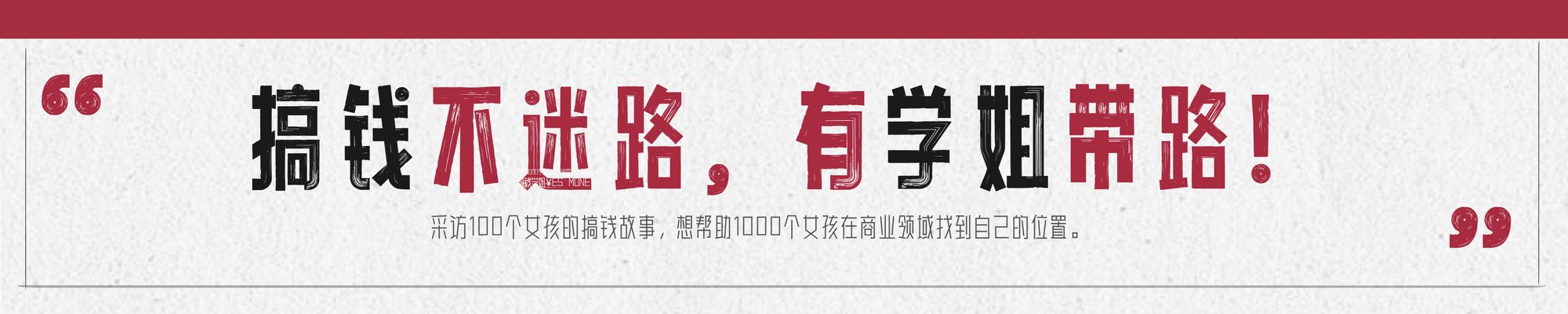
【一句钩子,关键词加粗】
【场景/问题引入:把本期主题放到具体生活或工作情境里】
【嘉宾介绍1:嘉宾身份 + 为什么能讲这个话题】
【嘉宾介绍2:如有第二位嘉宾,写其身份 + 带来的不同视角】
【本期实际价值:问题、链路、风险或判断方法】
【适合谁听/收尾】
**👇🏻收听指北**
**1️⃣ 大标题**
- 05:00 时间点内容
- 08:00 时间点内容
**2️⃣ 大标题**
- 15:00 时间点内容
**👧本期嘉宾**
嘉宾名 - 职业头衔1,职业头衔2,职业头衔3(公众号/社交媒体账号)
**✍️学姐划重点**
内容划重点,解锁高清思维导图,可以添加小助理 ***<u>[xuejietuan3](https://work.weixin.qq.com/ca/cawcde0b9f8ae0b7bb)</u>***,回复:「搞钱宝典」
**🎬制作人员**
主播:陈雪|剪辑:林绮|编辑:咕舟舟
**🔗找到我们**
[陈雪小红书](链接)|[大拖拉小红书](链接)|[陈雪公众号](链接)|[搞钱学姐官方公众号](链接)

If the real links for "找到我们" are not provided or already known from reliable local context, keep the Markdown link labels and use placeholder 链接 only for a local Markdown draft. If creating a Feishu document, do not write invalid placeholder links: either use verified real URLs from the source/podcast page, or render them as plain text and tell the user links are missing.
Feishu Document Rules
After the Markdown draft is complete, create or update a Feishu document when the current environment has Feishu access.
- Use the current environment's available Feishu document tools.
- Use the document title
SHOWNOTE - 嘉宾名:标题when the guest is known. - Prefer Markdown import for the full ShowNote body unless XML is needed for reliable image insertion or fine-grained formatting.
- Convert the fixed images to Lark image tags with no captions:
- Opening:
<image url="https://cdn.gooo.ai/user-files/29bb31fb7f74f37efea1f407ec6f4c47c9f463a6d3d5597aacecbae76c6e3137@chat" align="center"/> - Final:
<image url="https://cdn.gooo.ai/user-files/2179c21e6b16ec101c8bcfd1a946469f6e82a52e88c33a8a94f23728ca4b7078@chat" align="center"/>
- Opening:
- Do not add captions such as
播客视觉设计or听友群二维码. - Use bullet lines for all timestamp items so Feishu keeps each timestamp on its own line.
- Preserve external links if they exist in the source or known podcast page. After writing, check that Feishu did not warn about invalid URLs.
- The assistant WeChat ID must link to
https://work.weixin.qq.com/ca/cawcde0b9f8ae0b7bband visually appear bold, italic, and underlined when possible. Feishu may not preserve nested Markdown exactly; verify the rendered Markdown/XML after fetch. If Feishu cannot preserve both styling and link cleanly, prioritize the clickable link and keep the closest clean Feishu-supported visual rendering without visible formatting artifacts. - Fetch the Feishu document back after writing and verify title, image positions, timestamp line breaks, intro bolding, links, production credits, assistant WeChat ID rendering, and assistant WeChat ID link target.
Fixed Formatting Requirements
- Opening image must be immediately after the title and before the intro.
- Opening image URL:
https://cdn.gooo.ai/user-files/29bb31fb7f74f37efea1f407ec6f4c47c9f463a6d3d5597aacecbae76c6e3137@chat - Final image must be the last content in the document.
- Final image URL:
https://cdn.gooo.ai/user-files/2179c21e6b16ec101c8bcfd1a946469f6e82a52e88c33a8a94f23728ca4b7078@chat - Assistant WeChat ID must be exactly
***<u>[xuejietuan3](https://work.weixin.qq.com/ca/cawcde0b9f8ae0b7bb)</u>***in local Markdown drafts. In Feishu, verify it renders cleanly, links tohttps://work.weixin.qq.com/ca/cawcde0b9f8ae0b7bb, and has no visible formatting artifacts. - All timeline major headings must be bold.
- Important intro keywords must be bold.
- Production credits must use
主播:陈雪|剪辑:林绮|编辑:咕舟舟. - Timestamp lines should use bullet list items and should not collapse into one paragraph after Feishu import.
Final Checklist
Before delivering the file, check:
- The intro is 300-550 Chinese characters and usually 5-6 short paragraphs.
- The intro includes 1-2 guest-introduction paragraphs in the middle when guests are known, using concise verified or transcript-supported roles and explaining what each guest contributes.
- The intro does not mention "陈雪", "学姐", or host names. Guest names are allowed in the middle guest-introduction paragraphs.
- The intro avoids AI-flavored expressions such as "这期节目聊得很实在" and "干货满满".
- The intro is problem-oriented, natural, and not a detailed content summary.
- The intro does not use "不是……而是……" or banned vocabulary.
- Important intro keywords are bolded.
- The intro starts with one hook sentence only, and that hook is related to the episode.
- The intro includes concise guest context in the middle when guest identities are clear, and important guest/listener information is bolded.
- The timeline skips the first 3 minutes.
- The timeline contains no person names.
- Timeline descriptions are short, title-like, and not long summaries.
- Timeline titles do not use
为什么/为何, and do not put the answer inside the question. - Timeline titles avoid leading patterns such as
A还是Bwhen the episode clearly answers one side,真正...,最重要的..., and背后是什么. - The timeline has no more than 15 timestamped items.
- The timeline has 3-5 bold major headings.
- Timestamp lines are bullet list items, with no extra blank lines or backslashes.
- Guest information was searched and verified from public sources where possible.
- The guest list does not include 陈雪.
- Guest information includes only concise occupational titles and public accounts.
- The opening and final images are in the correct positions.
- In Feishu, the opening and final images have no caption text.
- The assistant WeChat ID is exactly
***<u>[xuejietuan3](https://work.weixin.qq.com/ca/cawcde0b9f8ae0b7bb)</u>***in local Markdown drafts, or a clean verified Feishu rendering with a clickablehttps://work.weixin.qq.com/ca/cawcde0b9f8ae0b7bblink when publishing to Feishu. - Production credits are exactly
主播:陈雪|剪辑:林绮|编辑:咕舟舟. - If Feishu tools were available, a Feishu document was created/updated and fetched back for verification: title, image count/positions, no invalid-link warnings, intro bold markers, no forbidden timeline wording, and timestamp line breaks.
- If Feishu tools were unavailable, a complete local Markdown draft was delivered and the limitation was stated clearly.
What ships with it
Read from the repository
Just SKILL.md. No reference files, no scripts.